Attic Insulation in Charlotte. Fix Hot Upstairs Rooms & Uneven Comfort. Certified Energy Experts, In‑House Crews
Our in‑house crew finds leaks, air‑seals, and installs blown‑in or radiant‑barrier insulation so your home stays comfortable year-round with even temperatures and reduced HVAC strain.
Get a Free Attic Insulation Inspection in Charlotte
Signs Your Attic Has Air Leaks, Poor Insulation, or Moisture Problems
Most Charlotte attics are under-insulated or unsealed. That shows up as temperature swings, rising energy bills, and hot upstairs rooms or drafty mornings. Check these five signs now, and schedule a free attic inspection or home energy audit to estimate attic insulation cost and confirm attic insulation rebate eligibility.
- Upstairs rooms stay hotter or colder than others
- Utility bills spike as outdoor temperatures rise
- Attic insulation looks thin, uneven, or compressed
- You see signs of moisture, mold, or rotten wood in the attic
- Insulation is old, manufactured differently, or lacks warranty info
Upstairs rooms stay hotter or colder than others
What to look for: Late afternoons feel stuffy upstairs, while downstairs stays comfortable. Bedrooms near the roof warm quickly on sunny days and cool too fast at night. Ceiling fans run constantly and family avoids upper rooms.
What to check: Measure the temperature difference between upstairs and the main thermostat. Inspect attic insulation coverage around rafters and the attic hatch. Check for air leaks at penetrations, recessed lights, and attic access; prioritize attic air sealing and blown in attic insulation to restore even temperatures.
Utility bills spike as outdoor temperatures rise
What to look for: Monthly energy bills climb even when your thermostat settings are unchanged. HVAC runs more often, cycles on and off, or produces weak airflow while costs increase.
What to check: Compare recent bills to last year and run a home energy audit to quantify savings potential. Verify attic R‑value and insulation depth. Look for missing insulation, bypasses, and poor attic ventilation that increase HVAC runtime. Document rebate eligibility while you audit for attic insulation cost reductions.
Attic insulation looks thin, uneven, or compressed
What to look for: Joists are visible across sections of the attic, insulation sits lower than expected, or the fill looks lumpy and uneven. Signs of prior pest activity or insulation displacement are visible.
What to check: Measure insulation depth to estimate existing R‑value and check for compression from storage or rodents. Inspect for contamination from roof leaks or mold that requires attic insulation removal and replacement. If clean, consider blown in attic insulation top‑up for consistent coverage and savings.
You see signs of moisture, mold, or rotten wood in the attic
What to look for: Dark stains, mildew smell, rusted fasteners, or damp insulation. Ice or frost patterns are unlikely locally but persistent moisture marks or mold spots appear around roof penetrations and eaves.
What to check: Find the moisture source by inspecting roof flashing, venting, and bathroom or kitchen duct terminations. Verify attic ventilation, vapor barrier condition, and insulation contamination. If insulation is wet or moldy, schedule attic insulation removal and a remediation plan before reinstalling insulation or adding a vapor barrier.
Insulation is old, manufactured differently, or lacks warranty info
What to look for: Insulation looks aged, shows paper backing or outdated materials, or there is no documentation of previous work or warranty. Older insulations often settle and lose performance.
What to check: Book an attic insulation inspection near me to confirm material type and age. Look for manufacturer labels or receipts to verify warranty coverage, such as attic insulation warranty charlotte. Evaluate whether targeted repairs, top‑up with blown in insulation, or a full replacement will yield the best long term savings and qualify for rebates.
The Benefits of Attic Insulation for Your Charlotte Home
Attic insulation and attic air sealing improve comfort, reduce HVAC runtime, and lower energy bills. In Charlotte’s warm summers and cool winters, the right attic insulation, correct R-value, and proper ventilation make a measurable difference in monthly costs and year-round comfort. See how attic insulation and blown in attic insulation help your home perform better.
Attic Insulation and Air Sealing Before and After
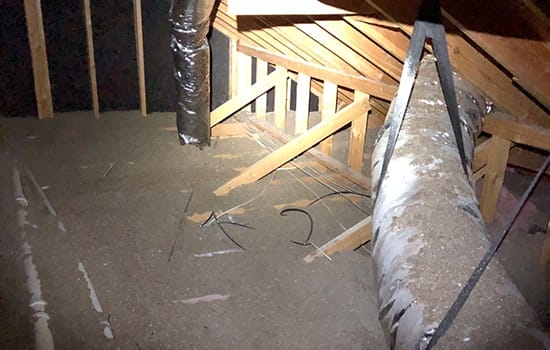
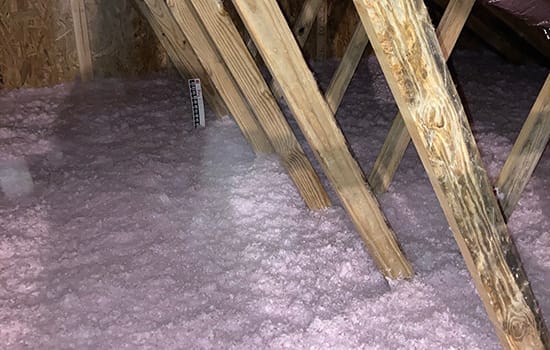
Consistent Comfort & Temperature Control
Proper attic insulation and air sealing eliminate temperature swings and hot/cold rooms. Your HVAC system runs more efficiently, cycles less frequently, and maintains even comfort throughout your home—especially upstairs bedrooms and bonus spaces.
More consistent comfort and cool hot upstairs rooms
Attic air sealing and continuous insulation reduce temperature swings and even out hot and cold rooms, especially upstairs bedrooms and bonus spaces. If your upstairs feels hotter than the rest of the house, a targeted blown in attic insulation upgrade will often restore balanced temperatures.
Longer HVAC lifespan and reduced repairs
A tighter attic envelope shortens run times and reduces stress on your HVAC system, which can lower maintenance needs and extend equipment life. Lower energy use also means your system cycles less, helping prevent premature failures.
Moisture control and mold prevention
Seal first, then insulate. Proper attic ventilation, a vapor barrier where appropriate, and clean insulation help control moisture and reduce the risk of mold, rot, and odor issues that can follow poor attic insulation or water intrusion.
Our Attic Insulation Inspection and Installation Process
Insulating an attic in Charlotte isn’t just about blowing in the material. It takes the right prep, materials, and a team that knows how homes work in this climate. Our fall workflow is simple: analyze → air‑seal → insulate → verify. You’ll see photos and depth markers so you know it’s done right. Here’s what to expect:
Free Attic Inspection & Energy Audit
We inspect attic insulation depth, note R-value, and run a brief home energy audit to estimate attic insulation cost and savings.
Moisture & Ventilation Assessment
We check for moisture intrusion, ventilation problems, and sources of attic condensation before any insulation work. If contamination or mold is present we document remediation needs.
Air Sealing and Penetration Repair
We prioritize attic air sealing at attic hatches, recessed lights, plumbing/electrical penetrations, and duct boots to stop conditioned air loss before insulating.
Insulation Installation or Top-Up
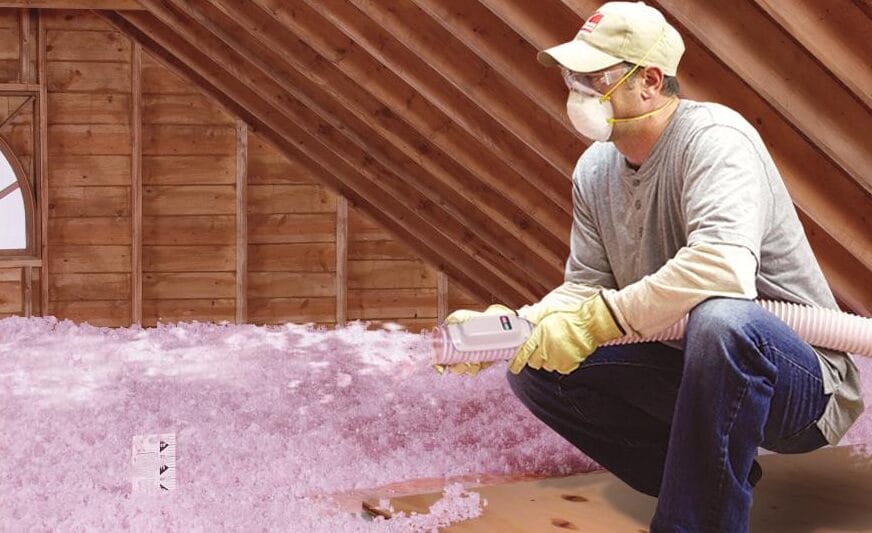
We install the right product for your home, blown in attic insulation or replacement insulation—applied to recommended coverage for long-term performance. Photos and depth markers are recorded for verification.
Rebate, Warranty, and Cost Documentation
We document manufacturer labels, receipts, and any required forms so your attic insulation rebate eligibility and warranty claims are supported. We prepare rebate paperwork when applicable.
Final Quality Check
We provide before and after photos, depth marker evidence, and a short verification report describing the R-value achieved, work completed, and recommended next steps.
Attic Insulation Products We Use:
We provide a range of attic insulation options to fit every budget and need:
- Owens Corning® ProPink® Blown-In Insulation: Efficiently insulates irregular spaces, providing seamless coverage and energy savings.
- Owens Corning® PINK Next Gen® Fiberglas™ Fiberglass Batts: Cost-effective insulation improving thermal efficiency and comfort in attics.
Why Professional Attic Insulation Installation Matters:
We don’t just install attic insulation; we do it fast, cleanly, and correctly the first time.
- Most attic jobs are completed in a single day, even large ones
- No mess left behind; we treat your home like it’s ours
- Our team knows how to spot gaps, seams, and air leaks that others miss
- We handle the hot, tight attic work so you don’t have to
Attic work isn’t for the faint of heart. Let our team get it done right while you stay cool downstairs.
Attic Insulation and Air Sealing by Charlotte Homeowners
Homeowners across Charlotte trust us for crawl space encapsulation and insulation done right. Our work is recognized by leading industry organizations and backed by consistent five-star reviews.

Standard Insulating Company – Your Trusted Insulation Partner


Why Charlotte Homeowners Choose Standard for Attic Insulation Work
Selecting the right insulation professionals is crucial, especially given Charlotte’s seasonal temperature swings and humid summers. Why choose us? As a locally owned family business, we have served Charlotte for over 80 years, refining our attic insulation process to deliver lasting comfort and measurable energy savings. Our in-house crews are Owens Corning certified, we document work with photo-verified depth markers, and we support eligible projects with rebate paperwork and warranty documentation.
Over 80 Years of Trusted Service: As a family-owned insulation company, Standard Insulating Company has built a reputation for reliability and excellence. Our long history in the community means we understand the unique needs of local homes and are committed to providing top-quality insulation services that stand the test of time.
Exceptional Customer Satisfaction: Our reputation speaks for itself, as our customers consistently praise our professionalism, quality of work, and dedication to customer service. We take pride in exceeding expectations and ensuring that every homeowner is delighted with their insulation project.
Our Own Certified Team, No Subcontractors: Unlike many competitors, we do not use subcontractors. From start to finish, your insulation project is handled by our own certified technicians, ensuring consistent quality and direct accountability. You work directly with Standard Insulating Company, not third parties.
Local Expertise for Every Home: Our deep understanding of Charlotte’s building codes and diverse home styles—from luxury tudor revivals to simple ranches—allows us to provide tailored insulation options that maximize energy efficiency and comfort. We’ve worked in every neighborhood and know what works best for your specific home.
Hassle-Free Warranty: Our warranty is straightforward: We stand behind our work. You can’t stay in business for 80 years without an unwavering commitment to customer satisfaction. If something is off or if the job doesn’t meet your expectations, we’ll come back and fix it at no extra cost. No questions asked.

Standard Insulating Company Is The Only Owens Corning Certified Energy Expert® in Charlotte
Standard Insulating Company stands out as the only Charlotte insulation company recognized as an Owens Corning Certified Energy Expert®. This prestigious certification ensures that we consistently uphold the highest industry standards, delivering exceptional insulation services. Our team undergoes rigorous training in cutting-edge techniques, assuring homeowners of expert project execution and peace of mind.
Why Choose Charlotte’s Only Owens Corning Certified Energy Expert®?
As the only CEE in Charlotte, only Standard Insulating Company can offer:
- Exclusive Double Warranty: Lifetime product plus 10-year workmanship coverage – including labor!
- Guaranteed Grade 1 Installation: Certified experts ensuring peak performance and comfort.
- The Owens Corning Difference: Trained. Tested. Trusted.
Real Stories from Satisfied Charlotte Homeowners
Common Attic Insulation Questions from Charlotte Homeowners
What Causes Hot Upstairs Rooms and How Does Attic Insulation Fix It?
Direct Answer: Hot upstairs rooms are caused by poor attic insulation (attic temps reach 140°F+ in summer) and air leakage through gaps around lights, hatches, and ducts. Attic insulation + air sealing reduces the temperature gap from 8–10°F to 2–3°F within one cooling season.
Why it happens:
- Attic heat radiates down through inadequate insulation
- Hot air leaks directly into bedrooms through unsealed penetrations
- AC works 30–40% harder to compensate
How insulation fixes it:
- Insulation slows heat transfer from attic into living spaces
- Air sealing blocks hot air leakage at source
- Result: Even temperatures, reduced AC runtime
Expected improvement: Upstairs rooms cool to within 2–3°F of main floor (vs. 8–10°F hotter before).
How Does Attic Insulation Improve HVAC Performance?
Direct Answer: Proper attic insulation reduces HVAC runtime by 15–25% by lowering the temperature differential the system must overcome. This extends equipment life, reduces noise, and improves comfort consistency.
Three performance improvements:
| Benefit | Impact |
|---|---|
| Extended lifespan | Less runtime = fewer repairs, 5–10 extra years of equipment life |
| Quieter operation | Fewer on/off cycles = less furnace/AC noise |
| Consistent comfort | System maintains set temperature without overshooting or undershooting |
How it works:
- Poorly insulated attic = HVAC cycles frequently, runs longer
- Well-insulated attic = HVAC cycles less, reaches comfort faster
- Air sealing prevents conditioned air from escaping through attic
What Temperature Improvements Can I Expect After Attic Insulation?
Direct Answer: Most Charlotte homeowners see measurable temperature improvements within 1–7 days. Upstairs-to-downstairs temperature gap shrinks from 8–10°F to 2–3°F.
Summer improvements:
- Hot upstairs rooms cool 5–8°F
- Bedrooms become usable in afternoon/evening
- AC cycles 20–30% less frequently
Winter improvements:
- Cold floors warm noticeably
- Drafty upstairs rooms stabilize
- Temperature swings reduce by 50%+
Timeline:
- Days 1–7: Immediate comfort improvement (noticeable)
- Weeks 2–4: Full benefit realized as HVAC adjusts
- Months 1–12: Sustained comfort, reduced system strain
Key requirement: Both insulation AND air sealing must be done. Insulation alone won’t fix air leakage; air sealing alone won’t slow heat transfer.
What's the Difference Between Attic Insulation and Air Sealing?
Direct Answer: Insulation slows heat transfer; air sealing stops air leakage. Both are required for comfort. Insulation without air sealing is like a wool sweater in a windstorm—ineffective if wind blows through it.
Side-by-side comparison:
| Aspect | Insulation | Air Sealing |
|---|---|---|
| What it does | Slows heat transfer | Blocks air leakage |
| Measured by | R-value (R-49 to R-60 in Charlotte) | Sealed gaps/cracks |
| Common gaps | N/A | Attic hatches, recessed lights, ducts, top plates |
| Alone, it’s | Ineffective if air leaks around it | Ineffective if heat still transfers through insulation |
Why both matter:
- Insulation only = heat still enters through air leaks
- Air sealing only = heat still transfers through gaps in insulation
- Both together = maximum comfort and efficiency
How Long Does Attic Insulation Last and Maintain Comfort?
Direct Answer: Quality attic insulation lasts 30+ years and maintains comfort benefits for the entire lifespan if protected from moisture and pests.
Performance timeline:
| Period | R-Value | Comfort | Action |
|---|---|---|---|
| Years 1–10 | 100% | Full benefits | None needed |
| Years 10–20 | 95–100% | Full benefits | Annual inspection |
| Years 20–30 | 90–95% | Still better than before | Monitor for settling |
| 30+ years | 85–90% | Declining | Consider top-up |
Factors that extend lifespan:
- Proper attic ventilation (soffit + ridge vents)
- Moisture control (vapor barrier where needed)
- Pest prevention (sealed entry points)
- Annual inspection for damage
Degradation causes:
- Moisture exposure = 50% lifespan reduction
- Pest damage = localized failure
- Settling = 5–10% R-value loss over 20 years
Why Is Professional Attic Insulation Installation Important for Comfort?
Direct Answer: Professional installation ensures seamless coverage, proper air sealing, and verified performance. DIY or poor installation leaves gaps that undermine comfort by 40–60%.
Three critical differences:
| Factor | Professional | DIY/Poor |
|---|---|---|
| Coverage | Seamless, even depth | Gaps, thin spots, voids |
| Air sealing | Sealed before insulation | Often skipped |
| Verification | Thermal imaging + depth markers | Visual inspection only |
| Comfort result | Consistent, lasting | Hot/cold spots, temperature swings |
Why gaps matter:
- One 1-inch gap = 5–10% comfort loss
- Unsealed attic hatch = 15–20% air leakage
- Missed ductwork = 25%+ efficiency loss
Professional verification:
- Thermal imaging identifies air leaks
- Depth markers prove coverage
- Photo documentation = proof of quality
Charlotte climate reality: Hot summers + cool winters demand precision. One gap in air sealing or thin spot in insulation can undermine comfort for an entire season.
What is the Stack Effect and how does it affect my attic?
The Stack Effect is hot air rising and escaping through your attic, creating a vacuum that pulls cold air in through your crawl space and basement. This cycle runs 24/7 in winter, forcing your HVAC to work harder. Air sealing your attic top plates, ductwork, and penetrations stops this loss. Insulation alone cannot prevent the Stack Effect.
What is R-value and why does it matter?
R-value measures insulation’s resistance to heat flow. Higher R-value means better thermal resistance. Charlotte requires R-49 to R-60. However, R-value is meaningless if air leaks around the insulation. The “Wool Sweater vs. Windbreaker” principle applies: a sweater keeps you warm only if wind cannot blow through it. You need both high R-value and air sealing.