Attic Insulation for Charlotte Homes. Even Comfort, Lower Bills, Winter‑Ready
Cold mornings in Charlotte expose insulation problems fast. If you’re waking up to chilly rooms, uneven temperatures, or a heater that ran all night, the attic is usually the cause. Most cold-weather comfort problems start in the attic. Proper air sealing and insulation help homes stay warmer overnight and run more efficiently.
Find Where Your Home Is Losing Heat
Signs You Need Attic Insulation
Most Charlotte attics are under‑insulated or un‑sealed. Cold weather makes that obvious fast. When heat escapes overnight, it shows up as cold mornings, uneven room temperatures, and higher heating bills. Here are four signs to check right now:
- Upstairs rooms are colder than others
- Utility bills spike during cold months
- Attic insulation looks thin or uneven
- Cold Air Leaks and Heat Loss in the Attic
Upstairs rooms are colder than others
What to look for: Late afternoons feel stuffy upstairs, mornings feel chilly even with the same thermostat setting. Family avoids the bonus room, doors stay closed, ceiling fans run nonstop, sleep feels restless. The stair landing shows a sharp temperature change. Sun‑facing bedrooms warm up on mild days, then cool too quickly at night, so comfort never settles.
What to check: Compare how upstairs feels to the thermostat reading, note constant adjustments, listen for frequent system starts, and feel vent airflow. If rooms near the attic hatch feel worst, uneven coverage is likely.
Utility bills spike during cold months
What to look for: Bills creep higher than last fall even with similar weather. The air conditioner runs late into the evening, then heat starts before dawn. Smart thermostats flag high usage, kWh climbs on statements, and budget plans tick up even though you have not added new appliances or changed routines.
What to check: Review the last two or three bills, watch cycles per hour on a mild day, listen for frequent starts, and feel upstairs vents. If air is lukewarm and cycles are short, the attic is likely the culprit.
Attic insulation looks thin or uneven
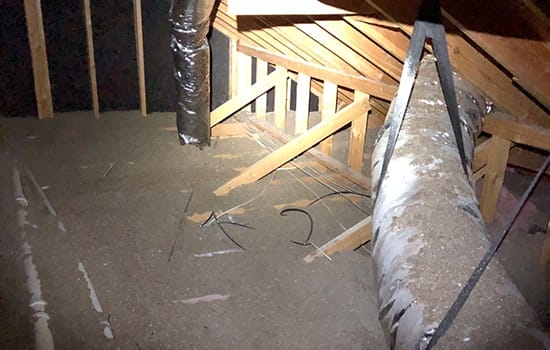
What to look for: Wood joists peek through, fluffy areas look low, and footprints leave deep impressions. Around lights and edges the surface dips. You see channels where wires run, piles near the hatch, and dusty trails that hint at air movement. The texture looks patchy from bay to bay.
What to check: With a flashlight, scan the perimeter and around fixtures. Look for gaps at lights, duct boots, and the hatch. Gently nudge the surface to spot depth changes. If ceilings feel cool at night, coverage is likely uneven.
Cold Air Leaks and Heat Loss in the Attic
What to look for:
Rooms that feel noticeably colder in the morning, especially upstairs or along exterior walls. Floors feel cold underfoot. The heat runs for long stretches overnight but struggles to warm the house. You may notice dry indoor air, static shocks, irritated sinuses, or wood floors and trim shrinking or creaking during cold snaps.
What to check:
Look for gaps around attic hatches, wiring, plumbing, and duct penetrations. Check whether insulation is evenly covering the attic floor or if there are bare spots and compressed areas. Feel for cold air movement around ceiling fixtures on cold mornings. If heat loss and air leaks are present, sealing those paths before adding insulation helps the home hold warmth longer and keeps temperatures more consistent.
The Benefits of Attic Insulation for Your Charlotte Home
Attic insulation makes a noticeable difference in how your home feels during cold weather and what it costs to heat it. When temperatures drop overnight, proper insulation helps keep warmth inside instead of letting it escape through the attic. That means more consistent temperatures in the morning, less strain on your heating system, and lower energy use during Charlotte cold snaps.
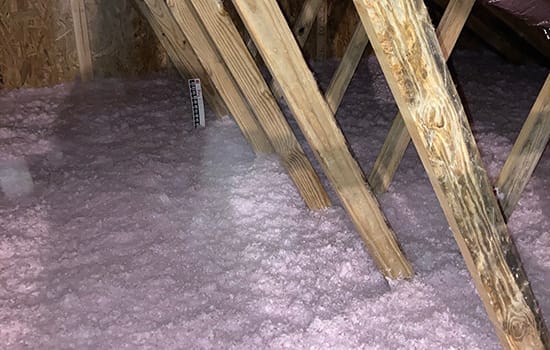
Attic Insulation Project Before & After
Lower energy bills
Proper attic insulation can cut heating and cooling costs by up to 15%, according to ENERGY STAR’s official guidance. In Charlotte’s hot summers and mild winters, sealing air leaks and reaching R-38 attic coverage makes a measurable difference in energy use year-round.
More consistent comfort
Even out hot‑and‑cold rooms—especially upstairs bedrooms and bonus spaces—by restoring a continuous thermal boundary.
Longer HVAC lifespan
Insulation doesn’t just save energy. A tighter envelope means shorter run times, less strain, and a system that lasts longer. When the house holds its temperature better, your unit doesn’t have to cycle as often. That means fewer repairs and a longer lifespan.
Cold Air Control and Heat Retention
Seal first to control air movement, then insulate to slow heat loss. That combination helps your home hold warmth overnight, reduces drafts, and keeps temperatures more even during cold snaps. A poorly sealed or under-insulated attic lets warm air escape and cold air settle into living spaces, which is why rooms feel colder in the morning and heating systems have to work harder. Proper sealing and insulation help stabilize indoor temperatures and improve winter comfort.
Our Attic Insulating Process
Insulating an attic in Charlotte isn’t just about blowing in the material. It takes the right prep, materials, and a team that knows how homes work in this climate. Our fall workflow is simple: analyze → air‑seal → insulate → verify. You’ll see photos and depth markers so you know it’s done right. Here’s what to expect:
Free Energy Analysis
We assess your attic with thermal tools to spot energy loss, low insulation levels, and blocked vents.
Preparation and Protection
We cover walkways, inspect for pests or moisture, and make sure the attic is ready for safe, clean work
Air Sealing
We seal the leaks that matter: recessed lights, top‑plate gaps, attic hatch, duct boots, and chases. So new insulation actually performs.
Installation
We install blown‑in or batts with even coverage to Charlotte’s R‑38 target (higher on request), verified with depth gauges.
Ventilation Check
We make sure soffit and ridge vents are open and airflow is balanced across the attic.
Quality Check
Supervisor sign-off with photos, vent-path check, and a brief report on what we sealed and the final R-value.
Attic Insulation Products We Use:
We provide a range of attic insulation options to fit every budget and need:
-
- Owens Corning® ProPink® Blown-In Insulation: Efficiently insulates irregular spaces, providing seamless coverage and energy savings.
- Owens Corning® PINK Next Gen® Fiberglas™ Fiberglass Batts: Cost-effective insulation improving thermal efficiency and comfort in attics.
-
- ROCKWOOL Comfortbatt® Mineral Wool Batts: Enhances soundproofing while providing eco-friendly and effective thermal insulation.
Why Professional Attic Insulation Installation Matters:
We don’t just install attic insulation; we do it fast, cleanly, and correctly the first time.
- Most attic jobs are completed in a single day, even large ones
- No mess left behind; we treat your home like it’s ours
- Our team knows how to spot gaps, seams, and air leaks that others miss
- We handle the hot, tight attic work so you don’t have to
Attic work isn’t for the faint of heart. Let our team get it done right while you stay cool downstairs.
Why Choose Standard Insulating Company?
Selecting the right insulation professionals is crucial, especially given Charlotte’s unique climate challenges. Why should you choose us? As a locally owned family business, we’ve been serving the Charlotte community for over 80 years, perfecting our expertise in this region.
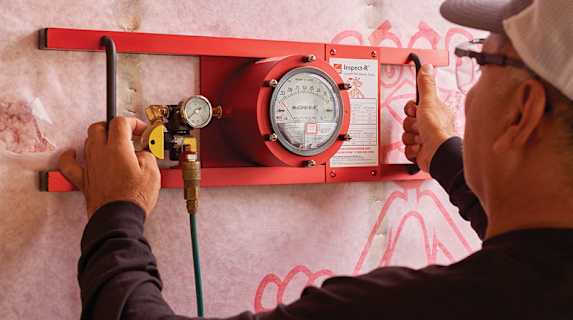
Over 80 Years of Trusted Service: As a family-owned insulation company, Standard Insulating Company has built a reputation for reliability and excellence. Our long history in the community means we understand the unique needs of local homes and are committed to providing top-quality insulation services that stand the test of time.
Exceptional Customer Satisfaction: Our reputation speaks for itself, as our customers consistently praise our professionalism, quality of work, and dedication to customer service. We take pride in exceeding expectations and ensuring that every homeowner is delighted with their insulation project.
Our Own Certified Team, No Subcontractors: Unlike many competitors, we do not use subcontractors. From start to finish, your insulation project is handled by our own certified technicians, ensuring consistent quality and direct accountability. You work directly with Standard Insulating Company, not third parties.
Local Expertise for Every Home: Our deep understanding of Charlotte’s building codes and diverse home styles—from luxury tudor revivals to simple ranches—allows us to provide tailored insulation options that maximize energy efficiency and comfort. We’ve worked in every neighborhood and know what works best for your specific home.
Hassle-Free Warranty: Our warranty is straightforward: We stand behind our work. You can’t stay in business for 80 years without an unwavering commitment to customer satisfaction. If something is off or if the job doesn’t meet your expectations, we’ll come back and fix it at no extra cost. No questions asked.

Standard Insulating Company Is The Only Owens Corning Certified Energy Expert® in Charlotte
Standard Insulating Company stands out as the only Charlotte insulation company recognized as an Owens Corning Certified Energy Expert®. This prestigious certification ensures that we consistently uphold the highest industry standards, delivering exceptional insulation services. Our team undergoes rigorous training in cutting-edge techniques, assuring homeowners of expert project execution and peace of mind.
Why Choose Charlotte’s Only Owens Corning Certified Energy Expert®?
As the only CEE in Charlotte, only Standard Insulating Company can offer:
- Exclusive Double Warranty: Lifetime product plus 10-year workmanship coverage – including labor!
- Guaranteed Grade 1 Installation: Certified experts ensuring peak performance and comfort.
- The Owens Corning Difference: Trained. Tested. Trusted.

Standard Insulating Company – Your Trusted Insulation Partner





Real Stories from Satisfied Charlotte Homeowners
Frequently Asked Attic Insulation Questions
Is winter a good time to insulate my attic?
Yes. Winter is often the best time to insulate your attic because the results are immediate. When it’s cold outside, any gaps or thin insulation show up fast as cold rooms, heat running overnight, and higher bills. Adding insulation in winter stops heat loss right away, so you feel the difference the same day and get more value from every dollar spent.
Is fall a good time to insulate my attic in Charlotte?
Yes. Cooler weather makes attic work faster and safer, and you’ll be winter‑ready before the first cold snap. Many projects are completed in one day.
What R‑value should my Charlotte attic have?
Charlotte (Zone 3A) typically targets R‑38 in the attic. We verify depth with markers and can go higher on request.
Will this fix hot‑upstairs/cold‑downstairs rooms?
In most homes, yes. By air‑sealing leaks and restoring even insulation, upstairs bedrooms and bonus rooms stabilize.
Do you air‑seal before insulating?
Always. We seal can lights, chases, the attic hatch, and top‑plate gaps so your new insulation performs to spec.
How soon can I schedule in the winter?
Usually very quickly. Winter scheduling is flexible, and attic work is often easier to complete in colder weather than during summer heat. Most insulation projects can be completed the same day, many in just a few hours, so you can start feeling the difference right away.
How much can Charlotte homeowners save with attic insulation?
Charlotte residents can save between 15–30% on energy costs with proper insulation upgrades, according to the U.S. Department of Energy. Which is approximately $200 annually based on local energy audits and DOE estimates for similar climates.
Can you help with rebates or tax credits?
Yes. As an approved Duke Energy contractor, we guide the utility rebate process and show current federal credits. We include them in your proposal so you understand the net cost before you decide.
What is the best attic insulation for cold weather in Charlotte?
In colder weather, the best attic insulation is the type that slows heat loss and limits air movement. In Charlotte homes, blown-in fiberglass and spray foam are both strong options because they help keep warm air inside overnight and reduce drafts that show up during cold snaps. When installed correctly, both materials provide reliable thermal performance, and spray foam also helps seal air leaks that make rooms feel colder in the morning. The U.S. Department of Energy notes that proper insulation and air sealing work together to improve comfort and reduce heating demand during winter conditions.
What is the best attic insulation for hot and humid climates like Charlotte?
In hot and humid regions like Charlotte, blown-in fiberglass or spray foam insulation typically offer the best performance for attic spaces. These materials resist moisture, maintain their R-value, and can reduce heat transfer effectively. According to the U.S. Department of Energy, fiberglass and spray foam both provide excellent thermal performance and air sealing when properly installed.
How much does attic insulation improve HVAC efficiency?
Proper attic insulation reduces the load on your HVAC system by stabilizing indoor temperatures, which means your system doesn’t have to work as hard or run as long. This can increase HVAC efficiency by up to 20% and extend equipment life. As noted by ENERGY STAR, sealing and insulating your attic is one of the most cost-effective ways to improve energy performance.
Can I add new attic insulation over old insulation?
Yes. As long as the existing insulation is dry, mold-free, and structurally intact, you can safely add more on top. However, you should avoid compressing the old material or using vapor barriers between layers. The Insulation Institute supports this approach as an effective way to improve energy efficiency without full removal.
How long does blown-in attic insulation typically last?
Blown-in fiberglass insulation can last 80 – 100 years if undisturbed and properly installed. However, you may need to top it off every 15 – 20 years due to minor settling or moisture intrusion. Regular inspections help ensure your attic insulation continues to perform effectively over time.