Crawl Space Encapsulation & Insulation in Charlotte
Moisture, humidity, and air leaks in your crawl space can drive up energy bills, cause musty odors, and make your floors uncomfortable year-round.
We fix crawl space problems the right way. Whether that means encapsulation, insulation, or both, based on what your home actually needs.
Get a Free Crawl Space Inspection
Signs Your Crawl Space Has Moisture, Air, or Insulation Problems
Crawl space moisture, air leaks, and damaged insulation can lead to musty odors, high humidity, and uneven temperatures throughout your home. These are common signs that your crawl space may need encapsulation or insulation to control moisture and improve energy efficiency. Here is what to look for.
- Musty odors or poor air quality in the home
- Visible moisture, standing water, or mold in the crawl space
- High indoor humidity or condensation on floors and vents
- Cold floors in winter or uneven temperatures between rooms
- Rising energy bills from air leaks and poor insulation
Musty odors or poor air quality in the home
If your home smells damp or musty, especially on the first floor, it could be coming from the crawl space. Unsealed, vented crawl spaces in Charlotte’s humid climate pull in outside air, which carries moisture and mold spores upward into your home through the stack effect.
What to check: Sniff near floor registers or vents and open the crawl space access door. A strong musty odor, damp air, or visible mildew is a clear sign that the crawl space needs attention. Also, consider checking for any visible mold growth on walls or ceilings, which can indicate persistent moisture problems.
Visible moisture, standing water, or mold in the crawl space
What to look for: Pooled water, mold on framing, or damp insulation in the crawl space are big red flags. These issues are often caused by unsealed ground, vented openings, or failing vapor barriers. The longer it goes unchecked, the more it threatens floor structures and indoor air quality.
What to check: Use a flashlight and inspect the floor joists, rim boards, and insulation. If anything looks wet, fuzzy, or stained, it’s likely the crawl space is allowing ground moisture inside. Check for any water stains or signs of water intrusion along the foundation walls.
High indoor humidity or condensation on floors and vents
What to look for: Too much moisture below the home drives humidity levels up inside, making your HVAC system less effective and encouraging mold growth. You might notice sweating windows, clammy air, or condensation on ductwork.
What to check: Place a hygrometer on the first floor and measure the relative humidity. If it stays above 60%, and your AC isn’t solving it, your crawl space may be the source. Look for any signs of condensation on windows or pipes, which can indicate high humidity levels.
Cold floors in winter or uneven temperatures between rooms
What to look for: Rodents and insects love a damp, dark crawl space. If it’s not sealed, they find easy access, especially through open vents and torn insulation. Over time, they chew wiring, nest in fiberglass, and leave droppings and smells behind.
What to check: Crawl under the house and inspect the insulation between floor joists. Look for shredded material, rodent droppings, or signs of nesting. You may also notice hanging wires or chewed wood. Ensure that the crawl space is properly sealed to prevent pest entry.
Rising energy bills from air leaks and poor insulation
What to look for: Increased energy costs can often be traced back to poor insulation and air leaks in the crawl space. If your HVAC system is working overtime to maintain a comfortable temperature, it may be due to air escaping through gaps or inadequate insulation.
What to check: Conduct an energy audit to identify areas where heat may be escaping. Inspect the crawl space for gaps in insulation or areas where air might be leaking. Use thermal imaging to spot temperature differences that indicate poor insulation. Consider sealing and insulating your crawl space to improve energy efficiency and reduce costs.
How Crawl Space Encapsulation and Insulation Improve Your Home
Crawl space encapsulation and insulation work together to control moisture, stop air leaks, and improve energy efficiency. These upgrades address the root causes of musty odors, cold floors, and high humidity, while making your home more comfortable year-round.
Crawl Space Encapsulation and Insulation Before and After
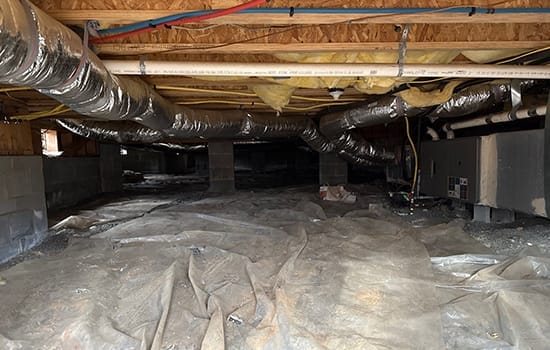
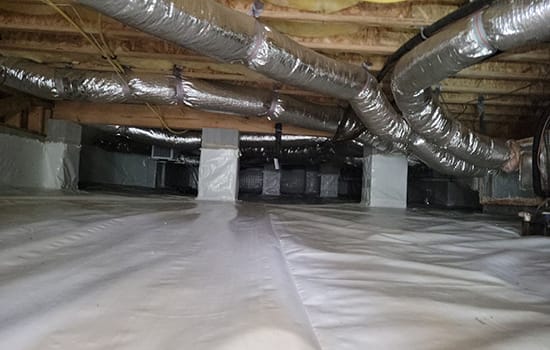
Warmer floors and more consistent temperatures
Crawl space insulation creates a thermal barrier between your home and the air below. This helps keep floors warmer in winter and reduces temperature swings throughout the house.
Lower energy bills
Sealing air leaks and improving crawl space insulation reduces the amount of heated and cooled air lost through the floor. Your HVAC system runs more efficiently, which lowers monthly energy costs.
Moisture and mold control
Crawl space encapsulation with a vapor barrier helps block ground moisture and humid air. This helps protect your home from mold, wood rot, and long-term structural damage.
Cleaner, healthier indoor air
A sealed crawl space limits the movement of dust, moisture, and mold spores into your home. That leads to better indoor air quality and fewer musty odors.
Our Crawl Space Inspection and Installation Process
Every crawl space is different, so the right solution starts with a detailed inspection. We evaluate moisture, air leaks, and existing insulation to determine whether your home needs encapsulation, insulation, or both. Here’s what to expect:
Free Crawl Space Inspection
We evaluate moisture levels, air leaks, and existing insulation to identify the root cause of comfort and energy issues.
Preparation and Cleanup
We remove damaged insulation, address standing water if present, and prepare the crawl space for proper sealing and installation.
Vapor Barrier Installation
For moisture control, we install a sealed vapor barrier on the crawl space floor and walls to block ground moisture.
Crawl Space Insulation Installation
We install insulation based on your crawl space design and Charlotte’s climate to improve energy efficiency and comfort.
Air Sealing and Vent Control
We seal gaps, seams, and penetrations to stop outside air from entering and affecting your home.
Final Quality Check
We verify insulation coverage, sealing, and overall performance, then walk you through the completed work.
Crawl Space Materials and Systems We Use:
We use professional-grade materials for crawl space encapsulation and insulation, selected based on your home’s moisture levels, airflow, and structure.
- High-capacity crawl space dehumidifiers to control humidity and prevent mold growth
- Reinforced vapor barriers installed across floors and walls to block ground moisture
- Rigid foam and vent sealing materials to stop outside air and humidity from entering
Why Professional Crawl Space Work Matters
Encapsulation is a system; it only works when every step is done with care.
- We evaluate each crawl space and recommend the right solution, not a one-size approach
- We install moisture control, insulation, and air sealing as a complete system
- We focus on long-term performance, not short-term fixes
- We leave your crawl space clean, dry, and accessible
This is a complete system designed to control moisture, improve efficiency, and last long-term.
Crawl Space Encapsulation by Charlotte Homeowners
Homeowners across Charlotte trust us for crawl space encapsulation and insulation done right. Our work is recognized by leading industry organizations and backed by consistent five-star reviews.

Standard Insulating Company – Your Trusted Insulation Partner



Why Charlotte Homeowners Choose Standard for Crawl Space Work
Selecting the right insulation professionals is crucial, especially given Charlotte’s unique climate challenges. Why should you choose us? As a locally owned family business, we’ve been serving the Charlotte community for over 80 years, perfecting our expertise in this region.
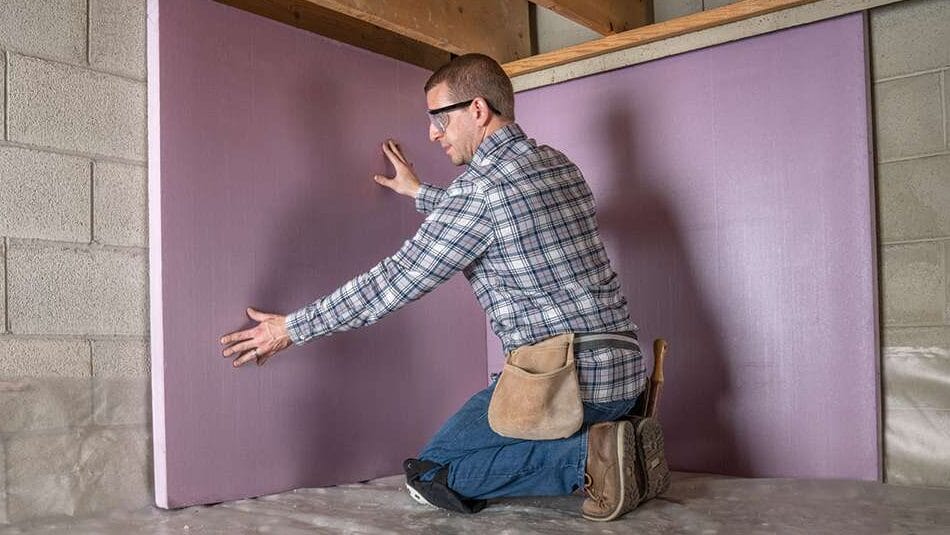
Over 80 Years of Trusted Service: As a family-owned insulation company, Standard Insulating Company has built a reputation for reliability and excellence. Our long history in the community means we understand the unique needs of local homes and are committed to providing top-quality insulation services that stand the test of time.
Exceptional Customer Satisfaction: Our reputation speaks for itself, as our customers consistently praise our professionalism, quality of work, and dedication to customer service. We take pride in exceeding expectations and ensuring that every homeowner is delighted with their insulation project.
Our Own Certified Team, No Subcontractors: Unlike many competitors, we do not use subcontractors. From start to finish, your insulation project is handled by our own certified technicians, ensuring consistent quality and direct accountability. You work directly with Standard Insulating Company, not third parties.
Local Expertise for Every Home: Our deep understanding of Charlotte’s building codes and diverse home styles—from luxury tudor revivals to simple ranches—allows us to provide tailored insulation options that maximize energy efficiency and comfort. We’ve worked in every neighborhood and know what works best for your specific home.
Hassle-Free Warranty: Our warranty is straightforward: We stand behind our work. You can’t stay in business for 80 years without an unwavering commitment to customer satisfaction. If something is off or if the job doesn’t meet your expectations, we’ll come back and fix it at no extra cost. No questions asked.
Real Stories from Satisfied Charlotte Homeowners
Common Crawl Space Questions from Charlotte Homeowners
What is the difference between crawl space encapsulation and insulation?
Encapsulation seals the crawl space with vapor barriers and dehumidifiers to control moisture, air quality, and temperature. Insulation reduces heat transfer but does not address moisture or air leakage. If your crawl space has humidity above 60%, insulation alone will fail. The Stack Effect pulls humid air upward through your home regardless of insulation R-value. Encapsulation stops the problem at the source.
How long does crawl space encapsulation last?
Quality encapsulation lasts 20 to 30 years with proper installation. Sealed seams, reinforced vapor barriers (minimum 6-mil polyethylene or thicker), and professional drainage systems determine longevity. Annual inspections catch seal degradation before moisture re-enters.
Does crawl space encapsulation increase home value in Charlotte?
Yes. Encapsulated crawl spaces reduce mold risk, improve air quality, and lower energy costs. Charlotte home appraisers recognize encapsulation as a structural upgrade. Buyers in the 28277 and 28210 ZIP codes specifically ask about crawl space condition during inspections. A sealed, dehumidified crawl space typically adds 2 to 5% to appraised value depending on neighborhood and prior moisture damage.
How do I know if my crawl space needs encapsulation or insulation?
Schedule a Building Science Assessment. A technician will measure humidity, check for standing water, inspect vapor barriers, and assess air leakage. If humidity exceeds 60% or you see mold, staining, or musty odors, encapsulation is required. If your crawl space is already dry and sealed but cold, insulation may suffice. Most Charlotte homes need both.
How much does crawl space encapsulation or insulation cost in Charlotte?
Encapsulation typically costs $3,500 to $12,000 depending on crawl space size, moisture damage, and dehumidifier inclusion. Insulation alone costs $1,200 to $3,500. Costs vary by ZIP code and accessibility. Duke Energy rebates offset 10 to 25% of encapsulation costs for qualified Charlotte homeowners. Request a detailed estimate after your Building Science Assessment.
Can crawl space insulation be installed without full encapsulation?
Yes, but it is not recommended for Charlotte’s humid climate. Insulation without encapsulation leaves vapor barriers unsealed and allows air leakage through the Stack Effect. Your insulation R-value becomes irrelevant if humid air bypasses it. Partial encapsulation (sealed vapor barrier + dehumidifier) costs less than full encapsulation and prevents this failure mode.
Will crawl space encapsulation or insulation reduce energy bills?
Encapsulation reduces heating and cooling costs by 10 to 20% by eliminating the Stack Effect and stabilizing crawl space temperature. Insulation alone provides minimal savings if air leakage persists. Encapsulation also reduces HVAC runtime and extends equipment life. Charlotte homeowners typically see $30 to $80 monthly savings depending on system size and energy use.